“Wabi-sabi.” A phrase that sparks curiosity. A ‘90s aesthetic returns with fresh relevance. The approach celebrates flaws. Honors imperfection. Favors raw texture and quiet simplicity. Leonard Koren, an American artist and author, introduced the concept to Western audiences with the 1994 release of Wabi-Sabi for Artists, Designers, Poets and Philosophers. Koren describes wabi-sabi as “the most conspicuous and characteristic feature of traditional Japanese beauty” and notes that it plays a role in Japan similar to the Greek ideals of perfection in Western culture. Today, the philosophy shapes lifestyle, interiors, fashion, fragrance, and wellness. Influence grows quickly. Want a deeper look at this revived design mindset? Read on and explore how wabi-sabi redefines modern beauty through elegant imperfection.
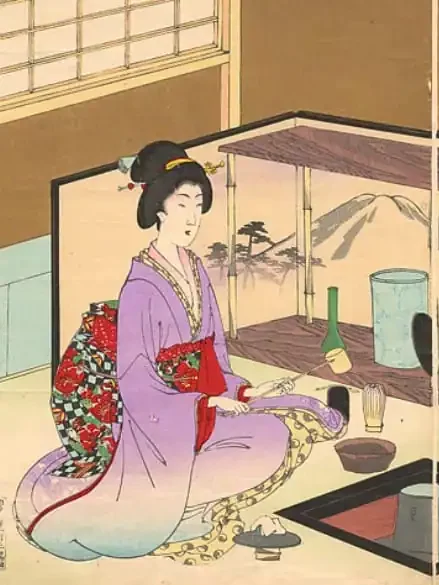

The TikTok trend hitting your For You Page
The revival turns design theory into practice: it’s unfolding in real time across youth culture and social platforms. “Wabi” once carried a somber meaning in Japanese culture. Over time, the word brightened and came to reflect acceptance, simplicity, and quiet joy. Today, “wabi” celebrates natural imperfections and the richness found in less. It highlights texture, honesty, and ease. In modern culture, it embraces small surprises and everyday beauty. Soul over symmetry. Character over perfection.
The trends has clearly gained momentum on TikTok. Creators showcase charm in anything slightly offbeat. A goofy toy. A crooked smile. A body that moves differently. Youth communities love the honesty. The trend feels soft, human, and relatable. The message lands fast: delight lives in quirks. Nothing captures this shift better than the viral audio at the heart of the movement.

The viral TikTok audio comes from King of the Hill, which aired in the United States from 1997 to 2010. In one episode, Bobby Hill picks up a rose and says, “I like how mine’s a little off center. It’s got wabi-sabi.” Hank Hill fires back, “You can’t win an argument by making up words.” Bobby stands firm: “Wabi-sabi is an Eastern tradition. It’s celebrating the beauty in flaws. Like the crack in the Liberty Bell or the mole on Cindy Crawford’s face.” That line nails the concept. Wabi-sabi invites love for the naturally worn, the slightly crooked, the wonderfully imperfect, never the overly polished or mass-produced. Beyond the humor, the trend taps into something more profound: a growing cultural fatigue around perfection.
Culture echoes that vibe. Perfection fatigue runs deep. As people reach for humor, warmth, and realness, wabi-sabi offers a fresh lens: embrace the wonky, the wobbly, the distinctly you. In effect, wabi-sabi invites appreciation of things that are naturally, slightly worn, or flawed, rather than polished, overly symmetrical, or mass-produced. The Times of India writes, “The audio is trending because people are tired of the perfection culture.” With social media previously promoting flawlessness, memes depicting the opposite have become a considerable part of this positive trend. That desire for truth over polish is going beyond reshaping memes; it’s influencing how people think about beauty itself.

The beauty of authenticity
As the trend expands, its influence extends beyond memes and into beauty culture, driving a new focus on authenticity. Instead of flawless hair and skin, wabi-sabi creators highlight playful parts, wild curls, and soft blemishes. Quirky smiles and aquiline noses get their moment, too. The shift feels joyful. It points toward more self-love and genuine confidence.
Amid filters and curated feeds, wabi-sabi champions what feels true. Heavy edits fade out. Real texture, real features, real personality take center stage. Authenticity steps forward, and people are embracing it. The same values influencing personal expression also transforming the spaces people live in.
Applying wabi-sabi to interior design
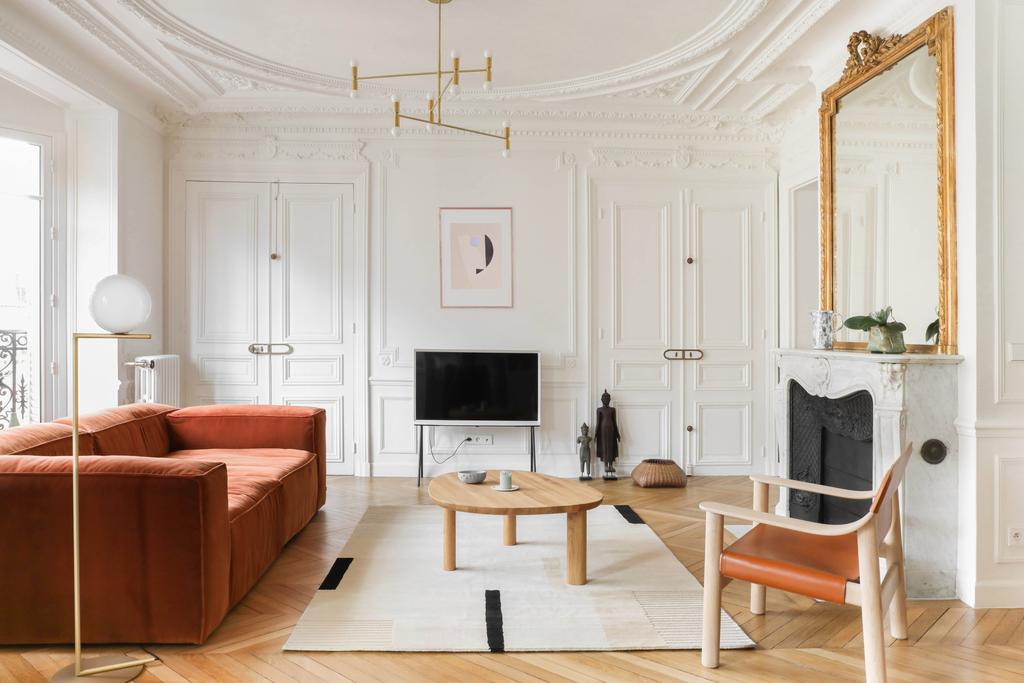
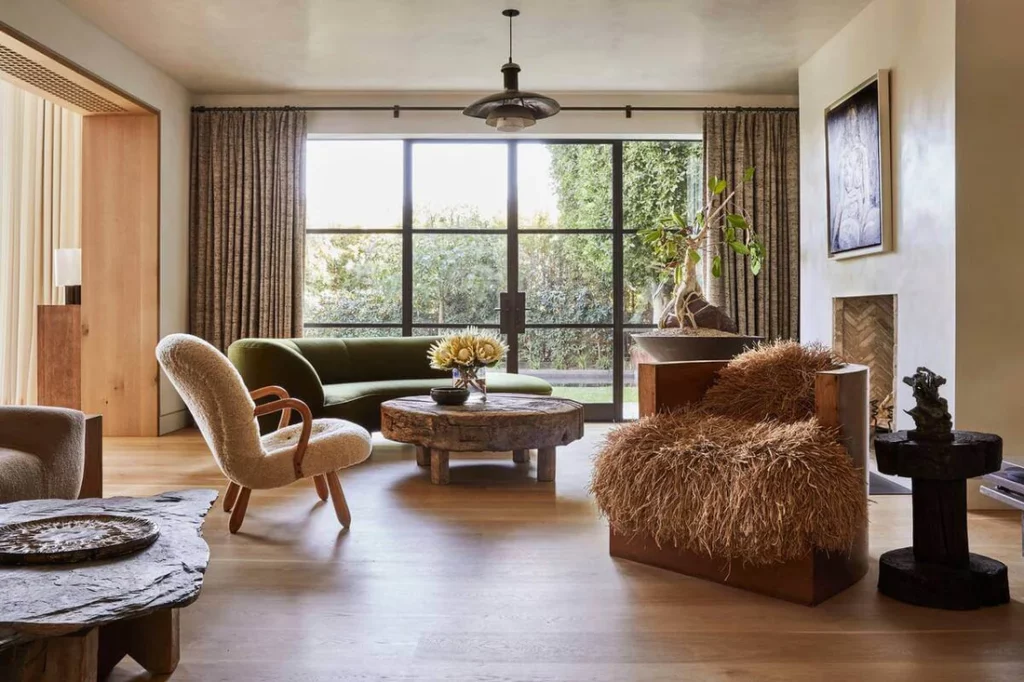
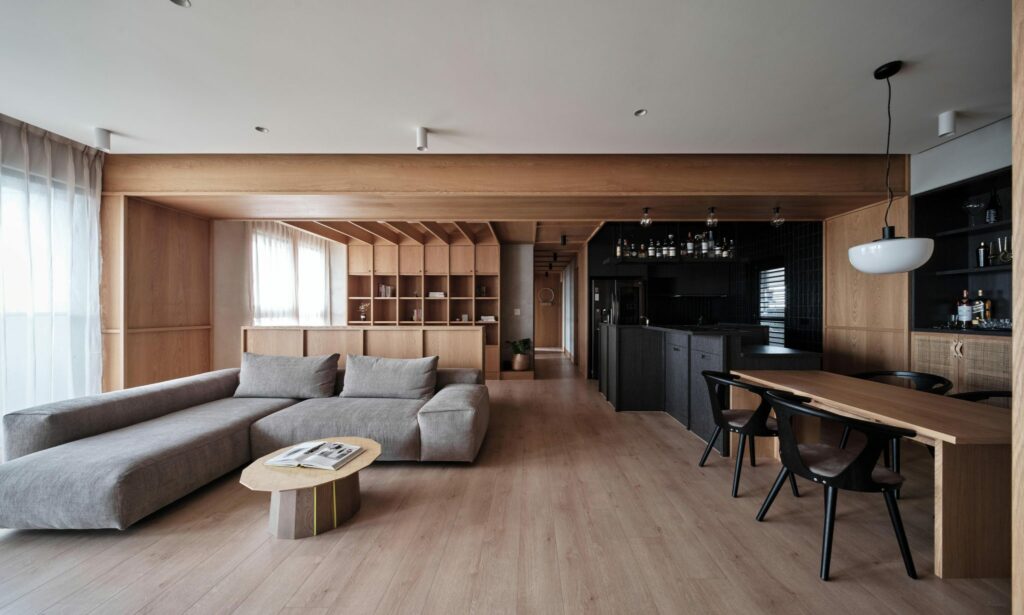
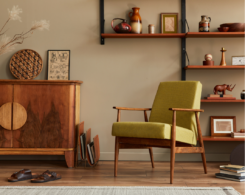
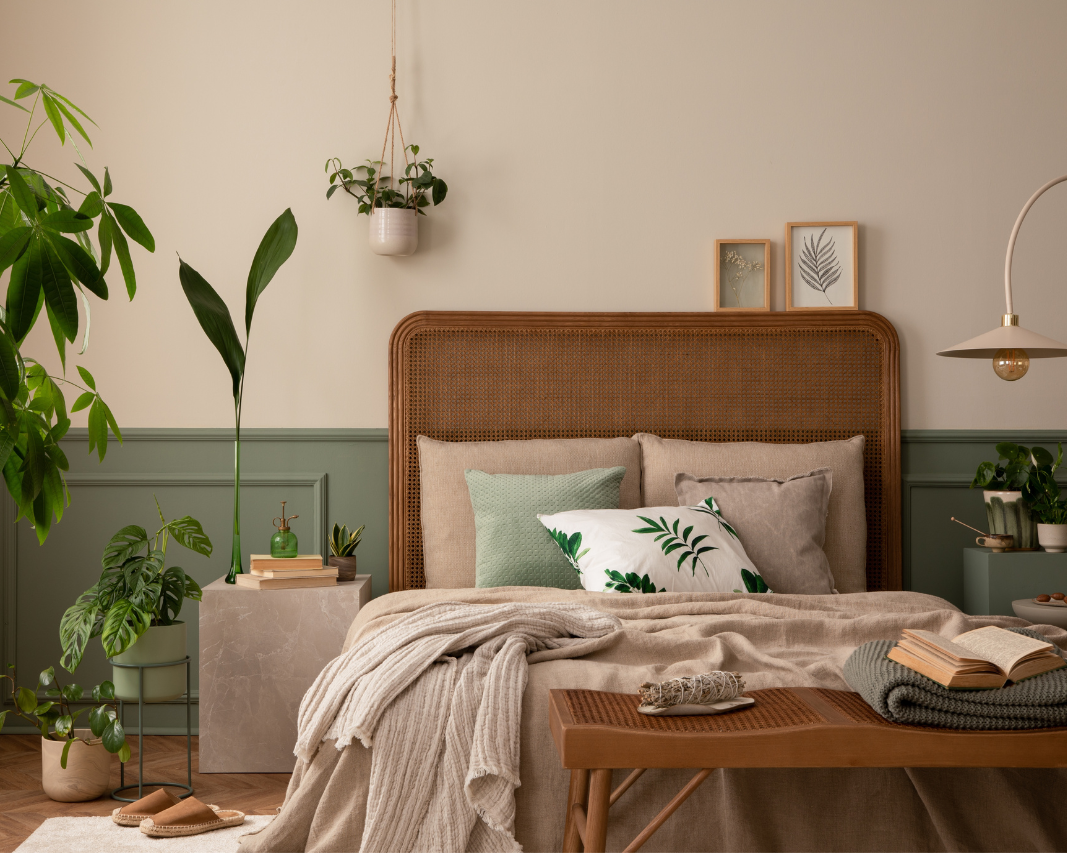
A truly global trend, Vogue Australia recently highlighted wabi-sabi in its “Interior Design 101” guide. Heju Studio founders Hélène Pinaud and Julien Schwartzmann, known for their refined take on Japanese minimalism, favor raw, natural materials such as marble, wood, stone, and concrete. These materials hold quirks. No two pieces match. Each one shifts and ages over time. Patina becomes part of the charm.
Trend-agency WGSN echoes this direction. Minimalism and simplicity take the lead, from partial seams and raw edges to natural dyeing techniques. A neutral palette supports the look. So does choosing local artisans, handmade ceramics, textured textiles, and vintage finds with real history.
Trend forecasters have tracked this movement for years, noting its rise across categories, from design to scent. Symrise has tracked this cultural shift as well, noting the rise of wabi-sabi and Japandi across lifestyle, design, and scent. This fresh embrace of imperfection and realness will gain momentum in 2026.