

Have you noticed smoky flavors gaining momentum across menus and packaged foods? From barbecue snacks to craft beverages, few tastes trigger emotions as strongly as ‘smoked’, and consumers’ appetite is growing. Smoke signals depth, authenticity, and culinary edge and connects familiar comfort with more adventurous, layered taste experiences.
Market data reflects this shift. HTF Market Intelligence projects the global smoke flavor market to expand by 7.2% through 2032. Various formats unlock distinct opportunities across savory, snack, and beverage applications. This versatility supports growth as brands search for flexible ways to bring smoke into different products and occasions. At the same time, preferences are shifting depending on application and market – warm woody beechwood notes or smoky, spicy barbecue profiles – consumers know exactly what taste they prefer in their foods and beverages. At the same time, clean-label expectations continue to rise, encouraging manufacturers to prioritize recognizable ingredients and transparent sourcing.
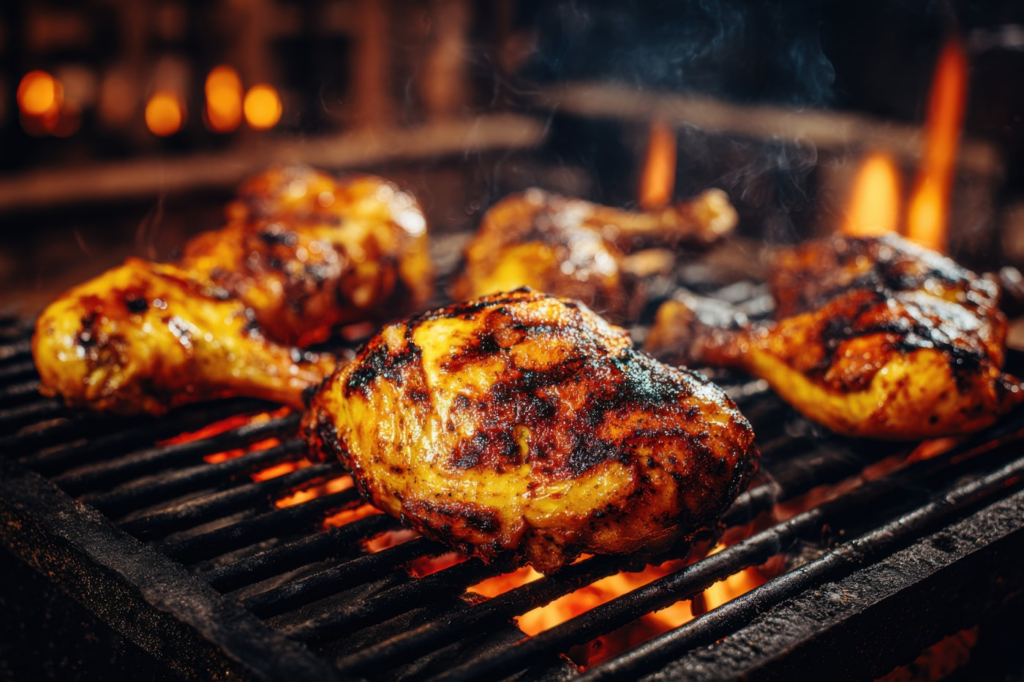
Regulation adds another layer of momentum. The European Union’s ban on smoke flavors pushes R&D teams to reformulate and rethink sourcing strategies. At the same time, this challenge creates space for compliant, next-generation solutions that meet policy standards and evolving taste preferences. So how do smoky notes translate into global flavor innovation seamlessly? Let’s take a closer look.
Redefining the 2026 culinary landscape
As smoke gains relevance, the next wave moves from flavor accent to full culinary philosophy. Charred, smoked, and fire-kissed profiles headline 2026 forecasts, signaling a shift toward deeper, more rugged taste experiences. Barbecue continues to provide powerful inspiration, while consumers now also look beyond familiar grill notes. They seek complexity, subtle bitterness, and layered intensity.
Chefs across global markets respond by embracing embers, open flames, and binchotan charcoal to build depth in fish, meat, cheese, and marinades. Techniques such as refined parrilla grilling and controlled live-fire cooking elevate raw ingredients while keeping the process easy to handle. Restaurants like Sweden’s Knystaforsen and traditional Argentine parrillas showcase this direct, wood-driven approach. The result feels elemental, intentional, and closely connected to the craft behind the dish.
This craft gains one more dimension when fermentation enters the picture. Bitter edges, smoky undertones, and umami-rich bases create multidimensional plates that engage all senses. In this context, fire serves as both a flavor tool and a storytelling device, linking technique, origin, and experience.
In parallel, the long-running sweet-and-spicy movement continues to evolve. “Swicy” emerges as a more nuanced expression, pairing heat with charred, caramelized, or smoked elements. Hot honey drizzled over flame-blistered snacks shows one direction; chili layered into sauces and glazes with a smokey taste shows another. In both cases, sweetness has evolved from simply balancing heat. It now fuses with smoke to create a richer, more mature flavor direction.
Global applications: Fire shapes flavor worldwide
As smoke-driven innovation gains momentum, fire and grill also moves from technique to global language. Chefs and brands translate char through regional ingredients, creating expressions that feel bold, culturally grounded, and highly adaptable.
In Asia, grilled seafood meets fermented soy glazes and sharp vinegar finishes, while binchotan charcoal builds clean, focused smokiness. Umami depth and acidity keep dishes balanced and precise. Across the Americas, open flames fuel bolder formats. Smoked meats, bulgogi, and charred vegetable creations highlight rising demand for layered heat and depth. Europe brings another perspective to the flame: restaurants apply controlled charring and integrate smoked ingredients into elevated menus. Here, fire feels intentional and technique-led rather than purely rustic.
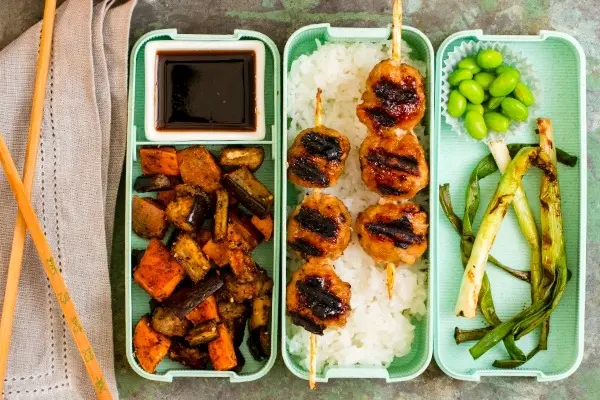
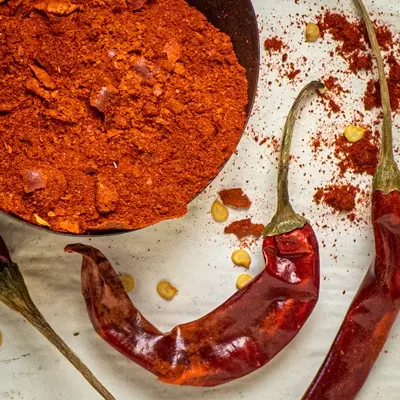
Pairings drive the next evolution because they turn char into a broader sensory experience. Bitter greens, fermented elements, and dark, multifaceted notes all connect naturally with fire. Browned butter (beurre noisette) delivers nutty richness alongside fire-roasted fish and meats. Fermented soy, specialty vinegars, and yuzu add brightness and tension. Black currant strengthens the movement with tart intensity suited for smoky reductions. Together, these applications signal a clear shift: fire commands the plate, while smoke, grill, acidity, bitterness, and caramelization combine to create immersive, multi-sensory flavor experiences.
Playing with heat at home
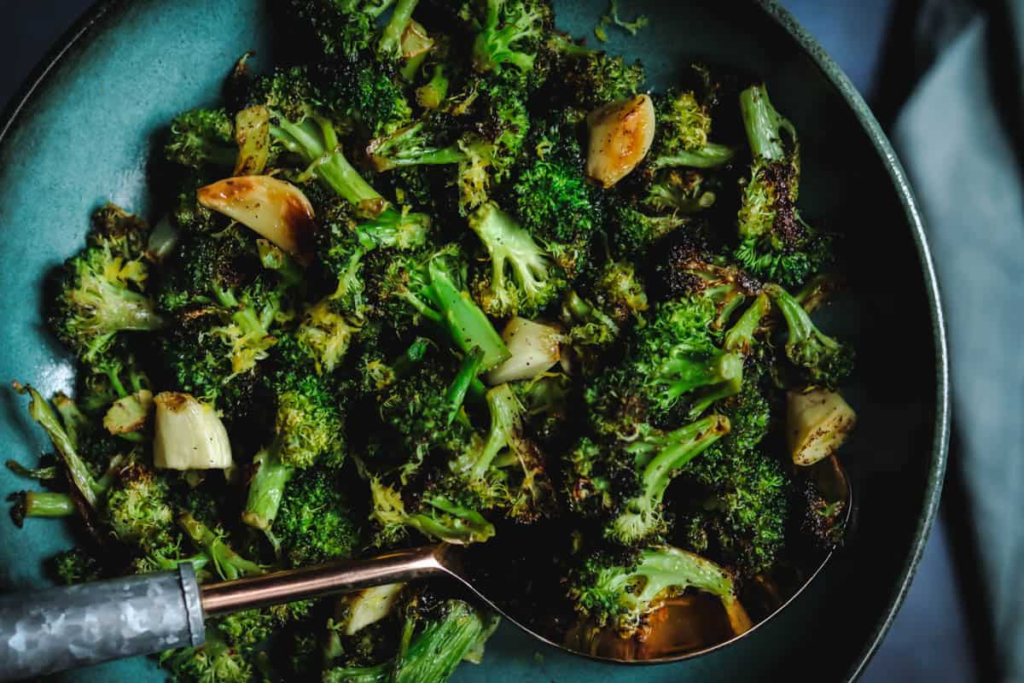
Fire-inspired flavor now also emerges from restaurants to broader areas. Home cooks continue to experiment with char across everyday dishes because simple ingredients can transform under high heat. Charred cherry tomato pasta delivers sweetness with smoky depth. Charred broccoli adds crisp edges and subtle bitterness. A sheet pan of charred meat pitas creates weeknight impact with minimal effort. Charred Roasted Chicken offers another reliable win, especially when bold flavors inspired by Nuevo León add jalapeño, piquín chiles, cumin, oregano, and plenty of garlic under the skin. The result layers warmth and aroma into every bite.
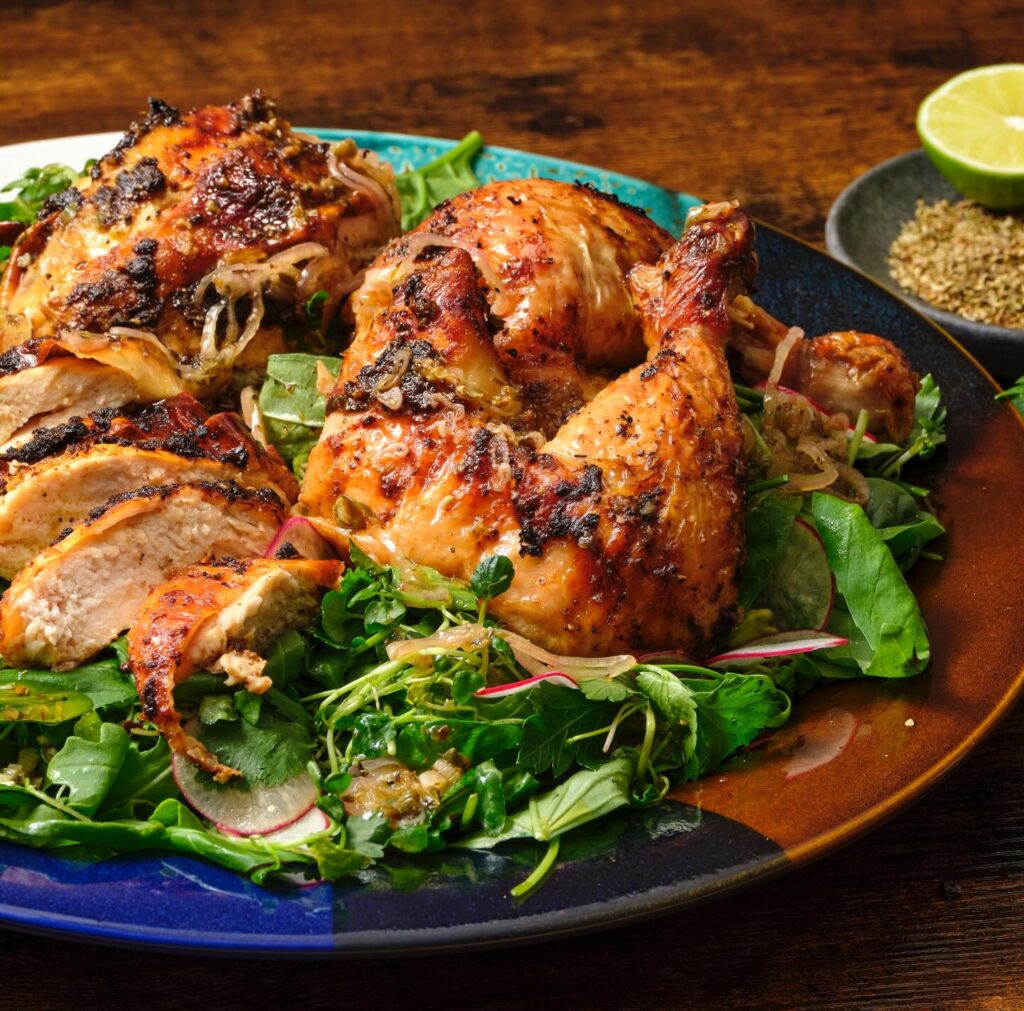
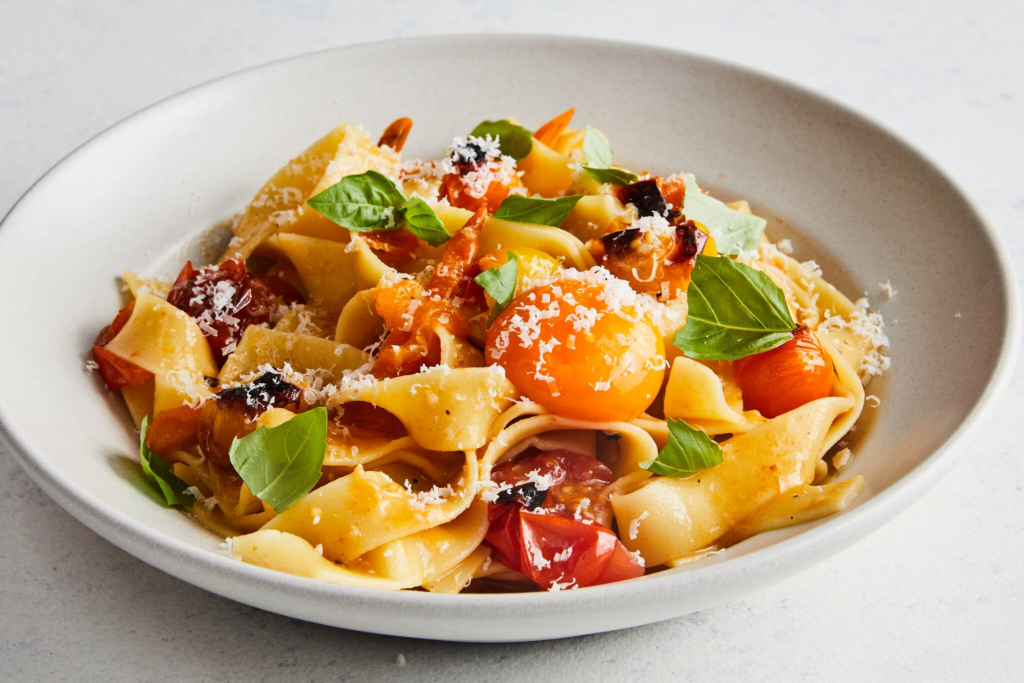
With that direction, peppers continue as one of the most accessible ways to bring flame into home cooking. Shishito peppers blister beautifully, while charred poblanos bring mild heat and earthy richness. Cabbage also gains new appeal over open heat. Pair roasted wedges with sweet corn and okra, or layer them with spiced tomatoes and tahini for contrast and texture. Across formats and occasions, smoke unlocks depth, dimension, and multi-sensory appeal. Symrise sees strong momentum behind these profiles, with fire-driven flavor set to elevate both food and beverage innovation in the years ahead. Learn more about our Symrise solutions in our smoke hub.