


Food now drives travel the way beaches and landmarks once did. In 2026, the intersection of travel and gastronomy reached a tipping point. According to Outlook Traveller, roughly 31% of travelers now rank food as their primary driver, making culinary exploration the runner-up travel motivation worldwide. “Grocery tourism,” experiential dining, and intentional food tracking now fuel the global culinary tourism market. Rapid double-digit growth rates (CAGR) projected through 2032. From Michelin-starred destinations to your neighborhood grocery aisle, here’s where flavor takes you next.
Michelin’s 2026 16 best food destinations
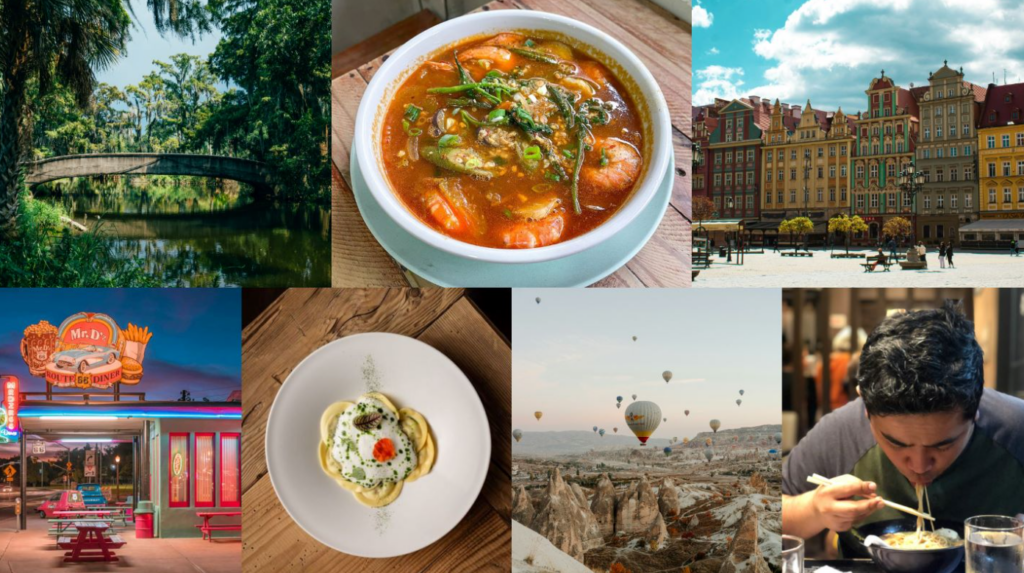
The Michelin Guide released a highly anticipated list of the 16 Best Places to Travel for Food Lovers in 2026. The edit spans established gastronomic capitals undergoing luxury culinary renaissances, as well as emerging hubs gaining international acclaim through newly introduced local guides. In Europe, Venice, Italy, tops the list, with famous tables getting upgrades alongside new luxury hotel launches. The Dolomites follow, boosted by Olympic attention, then the Amalfi Coast, Wroclaw (Poland), and Czechia beyond Prague. A newly launched MICHELIN Guide signals a culinary coming-of-age for Saudi Arabia. Desert stays like Caravan by Habitas AlUla and island hotels like Two-Key Nujuma, a Ritz-Carlton Reserve, represent the range on offer. In Asia, highlights include Cappadocia, Türkiye, Jiangsu Province, China, and The Philippines, with MICHELIN Guides now live in both Manila and Cebu. In North America, Route 66 earns a dedicated guide covering dining across the Southwest. The American South and Florida both make the cut, and the guide moves northward to Boston, Philadelphia, and Canada.
The global ingredients hiding in your local supermarket
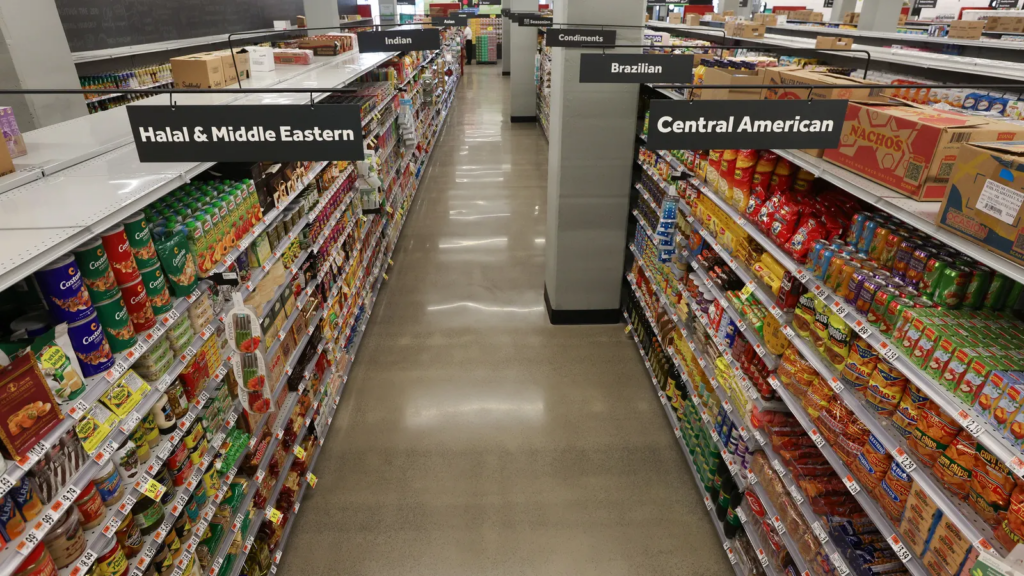
Travelers swap superficial sightseeing for immersive food experiences, and that appetite follows them home. “Shelf discovery” trips to artisan markets and “grocery tourism” now rank among the most sought-after travel activities. Travel mementos shifted away from plastic trinkets, too. Data shows that 84% of culinary travelers now buy design-led pantry items, such as cold-pressed olive oils, local spices, or handcrafted kitchen tools, to recreate travel memories at home. That momentum fuels growing consumer interest in specialty grocers, international grocery stores, and global flavors in supermarket aisles. Modern AI recipe-matching platforms pair well with targeted local shopping. Start with apps that generate recipes from ingredients you already own, then bridge the gap by swapping exotic items with supermarket substitutes and rediscovering neighborhood international grocers. The “International Aisle” offers browsing by specific ethnic sections (Asian, Hispanic, Indian, Middle Eastern, Italian, Caribbean, or Kosher aisles) for staples like curry pastes, coconut milk, authentic dry spices, fish sauce, and masa harina. For those who want less friction between inspiration and dinner, a new wave of food services makes global cooking effortless.
Take an easy flight to flavor
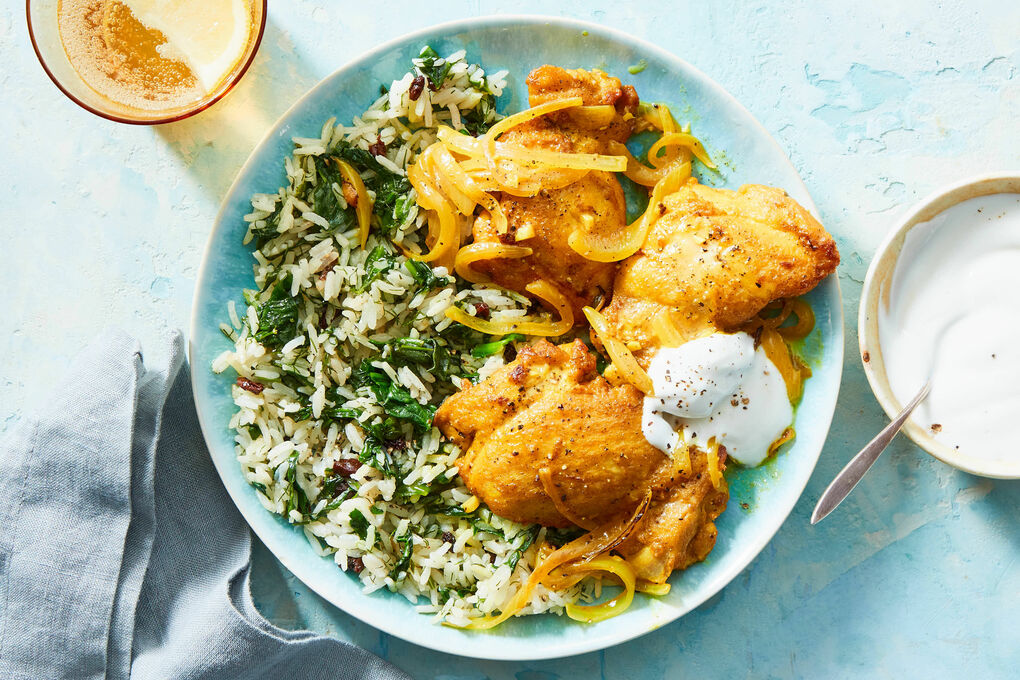
For the cooking-challenged, or anyone seeking an easier route to international flavors after a long day at work, food services deliver. Marley Spoon, founded in Berlin, Germany, now operates in Australia, the United States, and Europe, making international dishes like Persian Turmeric Chicken with Dilled Rice approachable on any weeknight. eat2explore offers a Monthly Explorer Box for curious cooks, while Global Grub delivers DIY kits with all the fixings, including everything needed for Mochi Ice Cream. Behind all of it, the science of flavor makes the journey enjoyable.

Symrise tracks global viral recipes and hyper-local restaurant movements via the Symvision AI Platform to predict “the next big dish.” A global network of chefs conducts physical culinary trials, captures regional secrets and trends on the ground, and interviews home cooks to decode hyper-local dishes. To match what travelers taste abroad, Symrise uses kitchen-like manufacturing processes, including specialized extraction and drying, to scale up regional profiles such as authentic West African spice blends and Levantine herbs. The homemade essence stays intact. We hope your summer culinary adventures take you somewhere delicious!