
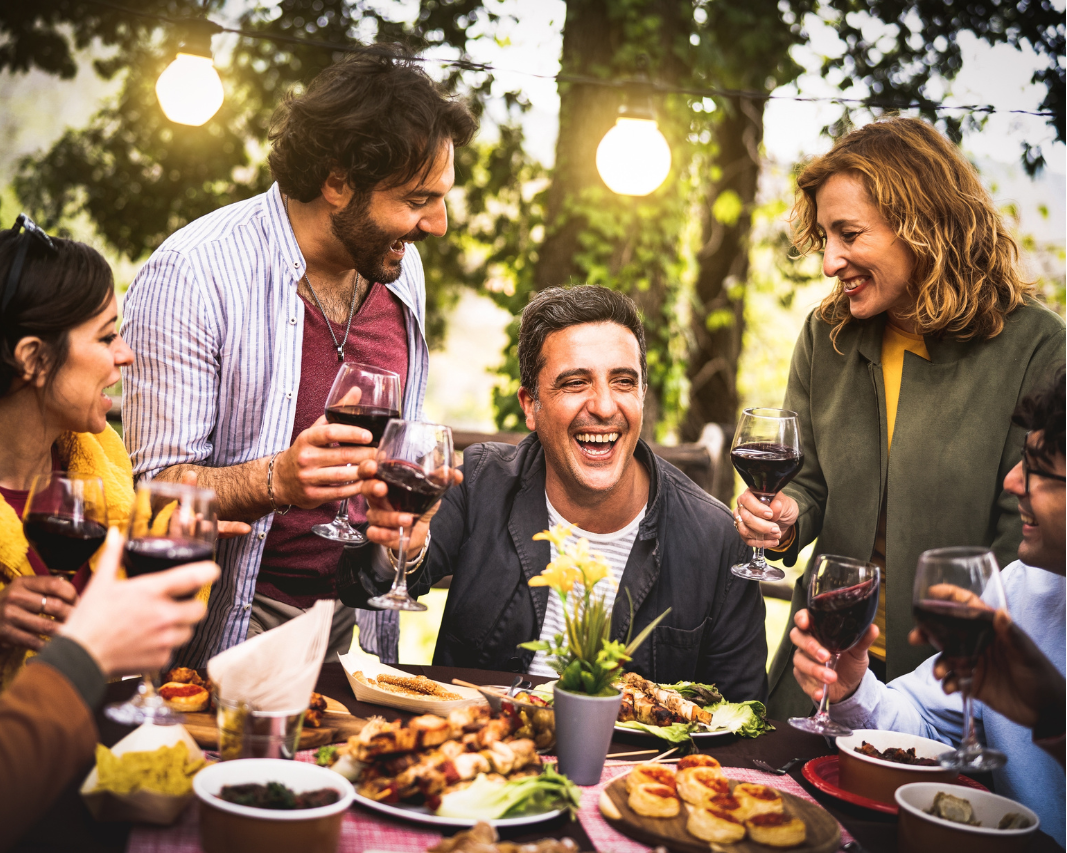
Craving good food and a real connection? Supper clubs have re-entered the menu.
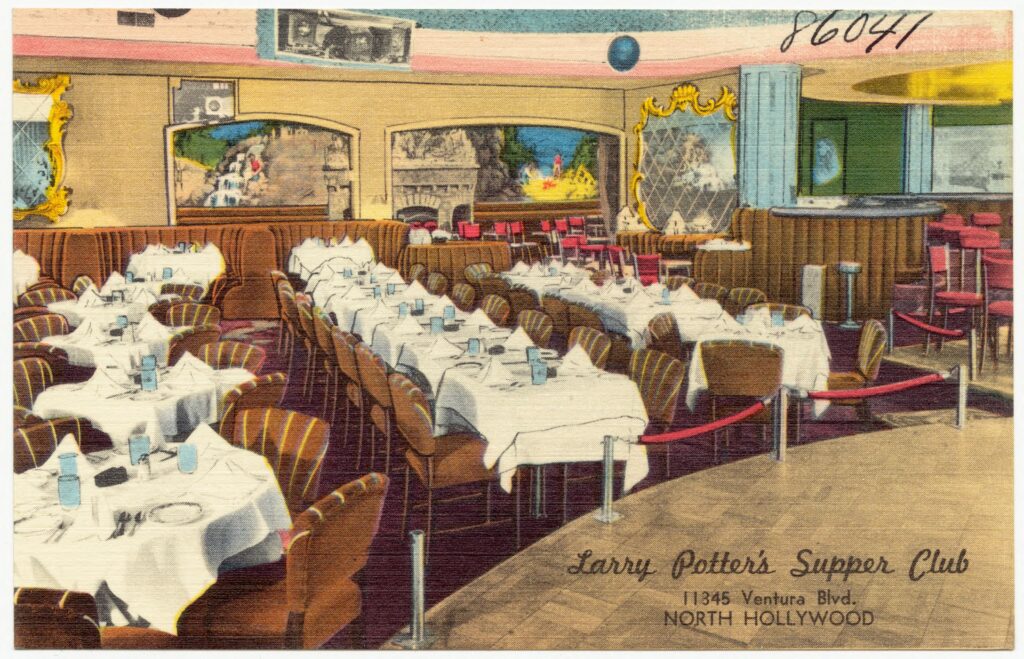
In the 1930s and 1940s, UK supper clubs drew inspiration from the American cabaret scene, introducing the glamour and rhythm of jazz to local diners. Some took place in informal dining societies. Others mixed dinner with live music for a full night of entertainment. They surged again in the 1950s and ’60s, and now, they’re encountering another moment. The modern supper club has evolved into something more intimate and adventurous. Think of small, underground gatherings where guests share a set menu, often at a secret location that they find out about only after purchasing a ticket.
These new versions carry many names, including home bistros, guerrilla diners, paladares, puertas cerradas, pop-up restaurants, speakeasies, and even anti-restaurants. Each one adds its own twist with the same spirit — bringing people together over great food, conversation, and discovery. Supper clubs entail so much more than dining. They foster community, creativity, and the joy of sharing a meal with strangers who soon feel like friends.
A means of socializing
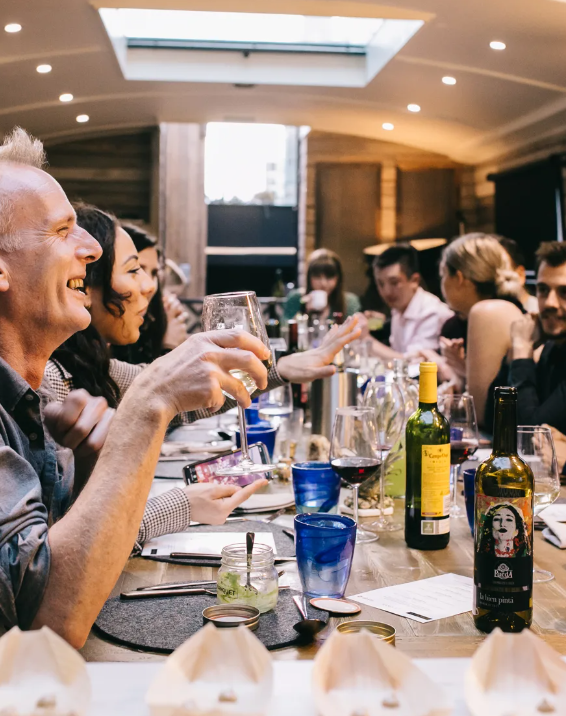
In 2025, Gen Z and Millennials have been showing strong interest in intimate, in-person culinary experiences. Supper clubs, pop-ups, and cookbook clubs use food to foster social connections, counteract isolation, and even signal social status, according to the National Restaurant Association. These trends highlight food as a catalyst for connection, transcending traditional dining to create distinctive social experiences. In the UK, ‘Underground Restaurants’ and ‘Supper Clubs’ have started to blossom, with reviews in leading newspapers such as The Times and The Guardian. Mainly concentrated in London, people advertise them by word of mouth and on social media networks. Some supper clubs in London appear on Eatwith (formerly known as Grub Club), a London online supper club platform.
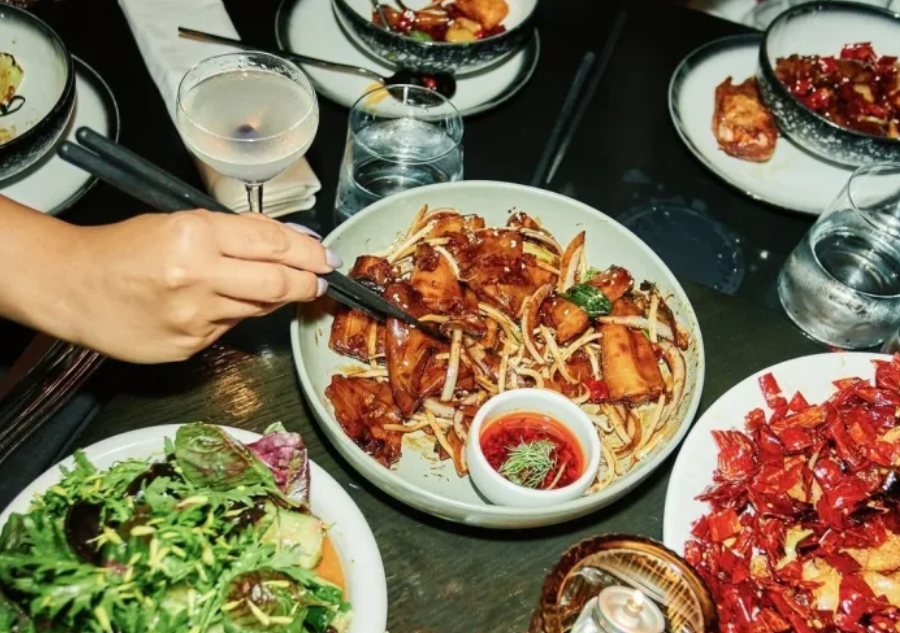
The rise of informal culinary gatherings suggests a growing desire for curated, smaller-scale food events, shifting away from large, impersonal gatherings. Temporary culinary events hosted by food influencers, content creators, or even chefs offer unique dining experiences. Food can also serve as a “hook” to engage people, create informal environments, and provide a common topic for conversation, building relationships and addressing isolation. In Latin America, a naturally social region, a supper club typically takes place in an underground restaurant known as either a paladar or a restaurante de puertas cerradas (a restaurant with closed doors). This type of restaurant seems built into the culture, often with higher standards than many licensed establishments. An underground restaurant offers diners the opportunity to try new dishes at affordable prices. It offers a unique, intimate experience outside the traditional restaurant setting. For the host, benefits may include making some money and experimenting with cooking without having to invest in a proper restaurant. As one host told the San Francisco Chronicle, “It’s literally like playing restaurant… You can create the event, and then it’s over.” A retro standby making inroads in this modern dining scene features the ‘Lazy Susan,’ ubiquitous in China and Chinese restaurants. The revolving-topped table makes sharing food a common goal, much like a raclette.
From supper club to raclette night
The renewed love of shared, hands-on dining has also inspired a rise in interactive, communal experiences, like the coziest of them: raclette. This tradition became especially popular during the holidays, and especially Christmas in middle Europe. Gathering the necessary ingredients has become a focus of holiday markets.
Originating in Switzerland, you can imagine raclette as a leisurely, social meal that brings people together. Guests gather around a central tabletop grill, where everyone prepares their own food. They fill small pans with cut food like potatoes, vegetables, etc., and cover it with a special cheese and place them under the heating element to melt while meats, fish, seafood, etc. grill on the surface above. The slow pace encourages conversation and connection as diners return for multiple rounds.
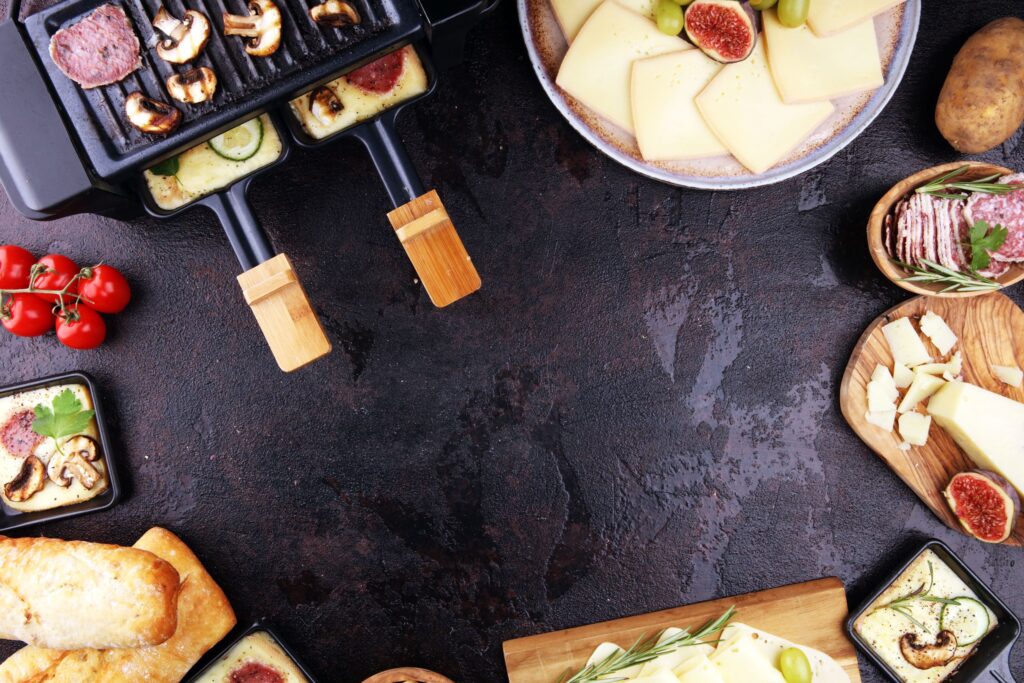
The name raclette comes from the French verb racler, meaning “to scrape,” describing the centuries-old ritual of melting and scraping cheese onto the plate. Traditionally enjoyed during winter, a raclette dinner can last for hours, creating warmth and laughter that fill the room.
More than a meal, raclette captures the essence of modern communal dining — interactive, comforting, and centered on togetherness. The same spirit runs through today’s supper clubs, where connection grows from shared activity, a relaxed pace, and the simple joy of gathering around a common table.
Food has always centered around more than flavor; it fosters shared time, shared stories, and shared joy, especially during the holidays. Symrise continues to follow these evolving dining rituals, celebrating the spontaneity and intention behind pausing to savor new tastes and the communities they create.