
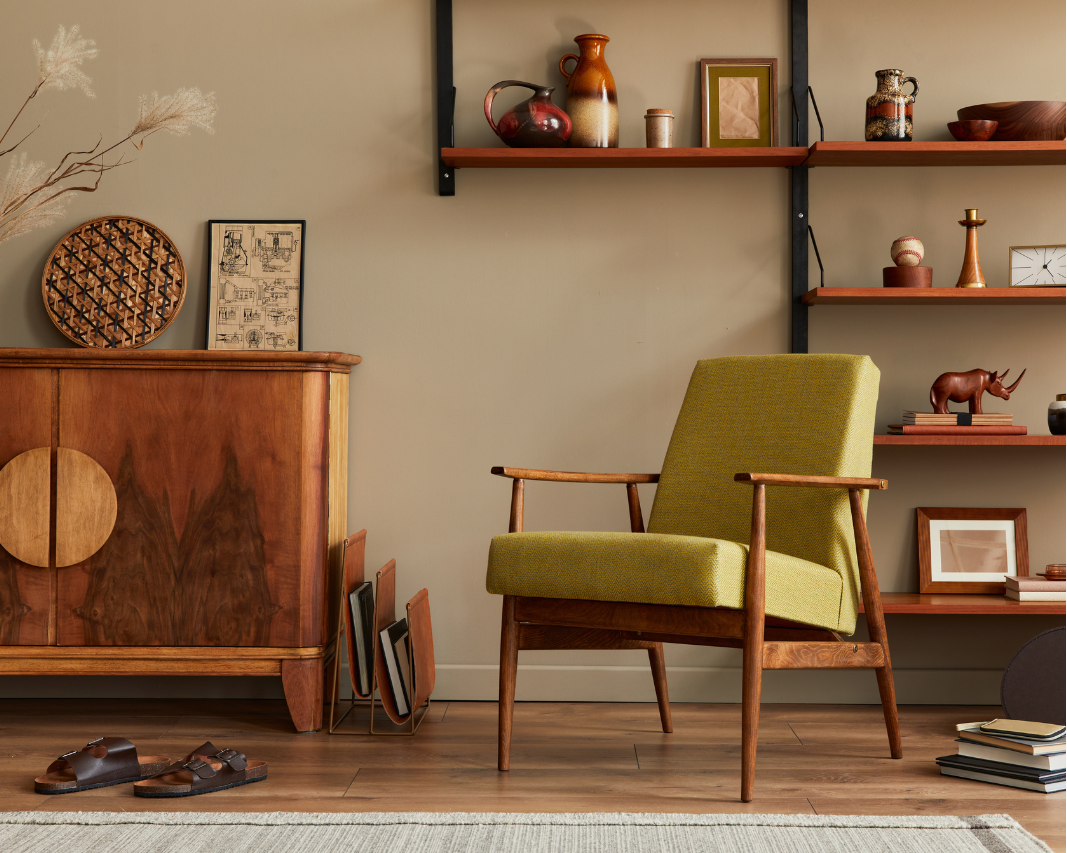
Perfectly matched interiors once defined modern design. Clean surfaces, coordinated furniture, and neutral palettes shaped the ideal home for years. Today, a different approach gains momentum. Designers and homeowners increasingly embrace interiors filled with objects gathered via travel, memory, and personal discovery. Vintage furniture, flea market ceramics, inherited pieces, and contemporary art create spaces that feel layered and personal. Each object adds story and character. This movement, often called the “collected home,” celebrates interiors shaped over time rather than designed all at once. From global flea markets to social media inspiration, the trend continues to reshape how people think about their living spaces. Want to learn how collected homes are shaping design culture around the world? Read on.
Global discovery shapes the collected home
Vintage sourcing plays a central role in the collected home movement. Flea markets, antique fairs, and global bazaars offer objects with history and craftsmanship that rarely appear in mass retail. For many designers and collectors, these markets represent more than shopping destinations. They offer opportunities to discover cultural stories and materials that bring depth to interior spaces.
Across Europe, Paris’s Marché aux Puces de Saint-Ouen represents one of the world’s largest antique markets, where visitors browse furniture, art, and decorative objects that span centuries. In the United States, the Brimfield Antique Flea Market in Massachusetts attracts thousands of dealers and interior designers each year, many of whom search for mid-century lighting, vintage ceramics, and architectural salvage.
Around the world, iconic markets continue to feed the culture of collecting. Bangkok’s Chatuchak Weekend Market offers antiques, textiles, and handcrafted décor that frequently travel home with collectors and travelers. London’s Portobello Road Market also continues to draw antique dealers and design enthusiasts seeking silverware, vintage furniture, and collectible objects.
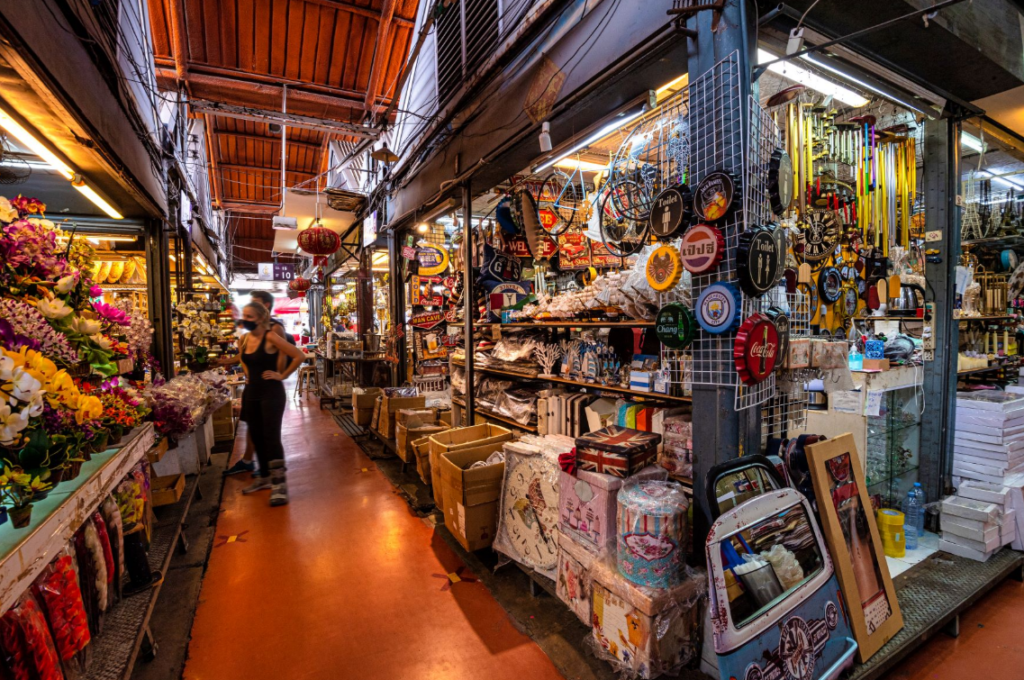
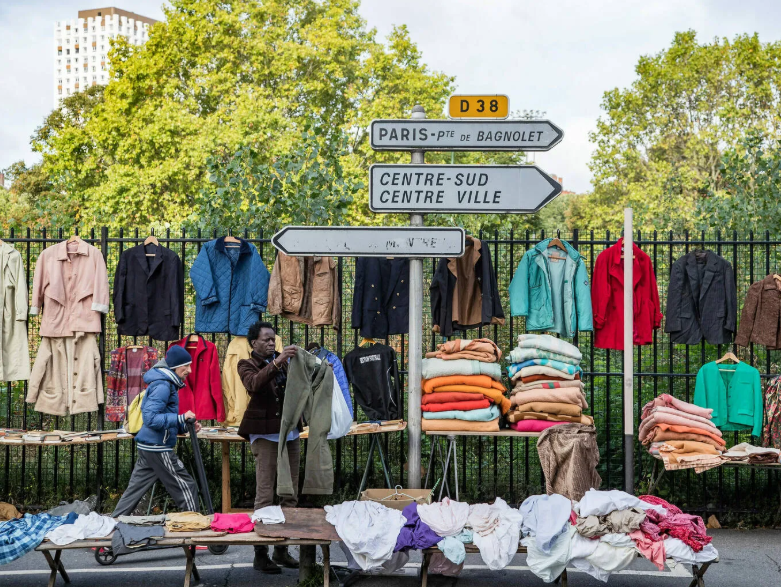
These discoveries often become lasting reminders of travel and exploration. Handwoven textiles, ceramics, and small antiques gathered abroad bring cultural texture and personal memory into everyday living spaces.
Digital platforms extend this discovery culture even further. Online marketplaces such as Chairish, 1stDibs, and Etsy connect collectors with vintage dealers worldwide. Curated pieces now move easily from antique shops and markets into contemporary homes.
A softer, more personal interior style
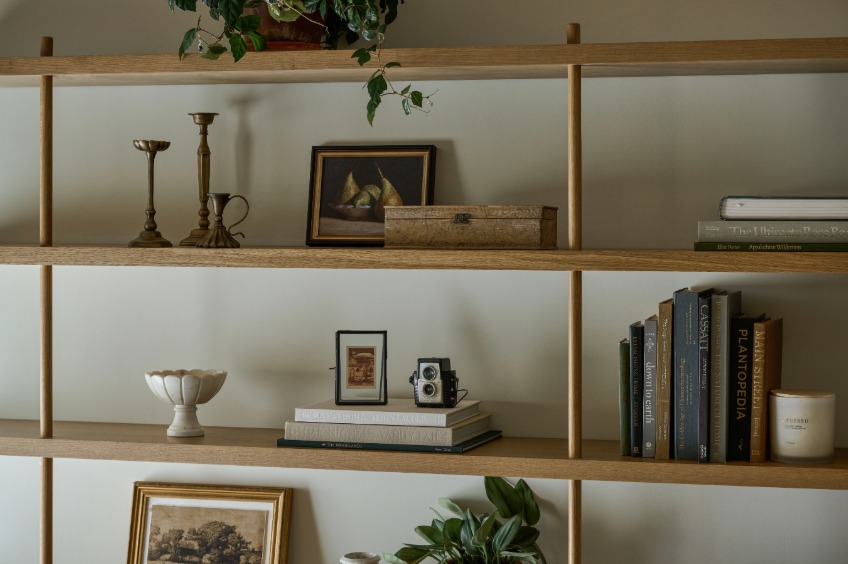
Design publications increasingly highlight this shift toward interiors that feel layered and expressive. Architectural Digest notes a growing preference for homes assembled gradually rather than styled in a single moment. Designers encourage mixing decades, styles, and materials to create spaces with personality and depth. Lifestyle platforms echo this philosophy. Magnolia describes the collected home as an interior that evolves through heirlooms, travel finds, and meaningful objects rather than matching furniture sets. Personal artifacts shape a home’s identity and reflect the experiences of those who live there.
Writers also connect the look to a renewed interest in timeless interiors that prioritize craftsmanship, vintage pieces, and thoughtful layering. Rather than focusing on luxury alone, this aesthetic emphasizes warmth, longevity, and personal expression. Interior designers often describe the collected look as a balance between intention and spontaneity. Carefully sourced antiques, art, and décor pieces create depth while allowing individuality to shine through.
Social inspiration and sensory storytelling
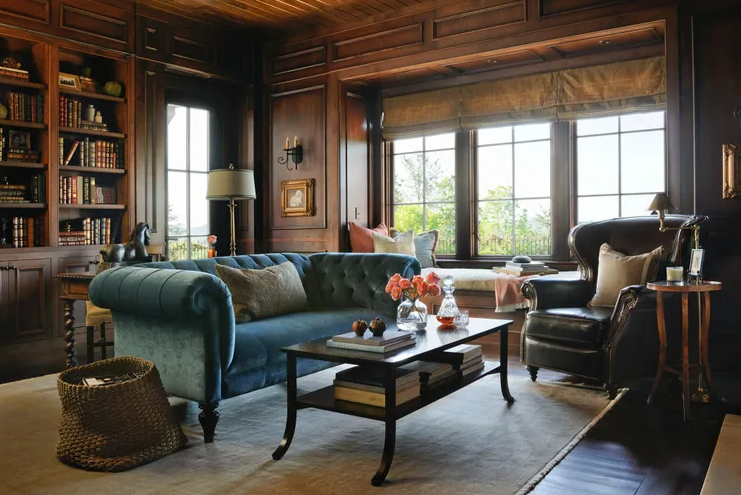
Social media continues to accelerate the rise of the collected home aesthetic. Instagram and TikTok creators regularly share layered interiors under hashtags such as #CollectedHome, #VintageDecor, and #LayeredInteriors. These posts showcase eclectic furniture, colorful ceramics, and meaningful objects arranged with intention. Creators frequently document flea market discoveries, thrift-store transformations, and antique-sourcing trips. Posts such as this Instagram example illustrate how curated vintage finds shape expressive interiors.
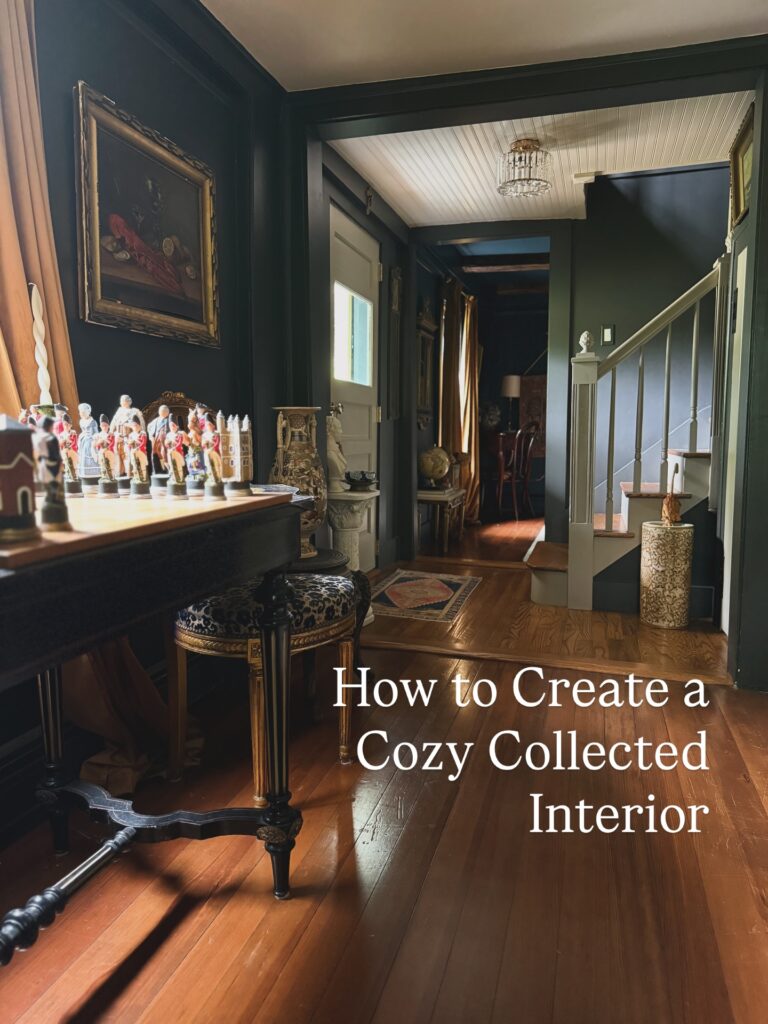
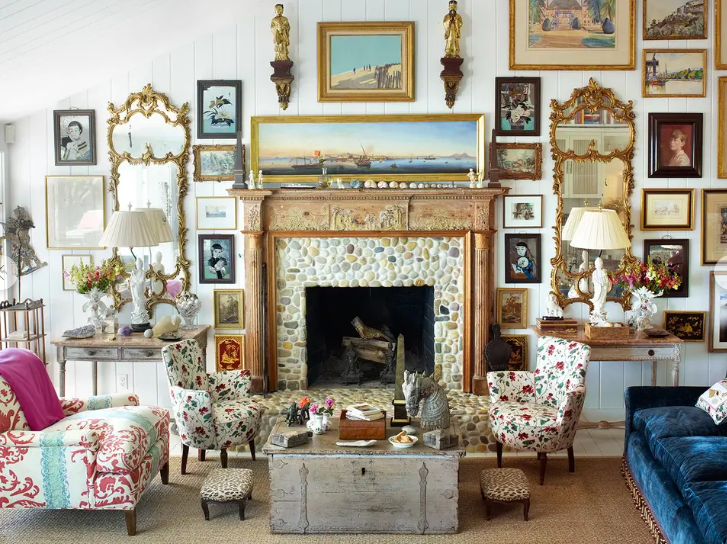
The movement resonates strongly with younger consumers. Many younger homeowners and renters embrace vintage and secondhand décor as an alternative to fast furniture and mass-produced interiors. Thrifting culture, sustainability awareness, and a desire for individuality encourage a more personal approach to decorating. Material richness defines these environments. Velvet upholstery, woven textiles, lacquer surfaces, stained wood, and glossy ceramics introduce visual depth across a space. Sculptural furniture with rounded forms and stacked silhouettes references mid-century design while maintaining contemporary appeal.
Interiors also highlight the growing importance of sensory design within the home. Fragrance, texture, and color influence how people experience a space emotionally. Warm woods, nostalgic florals, and comforting gourmand notes mirror the familiarity and memory associated with vintage objects and heirloom materials.
Symrise closely observes evolving lifestyle signals. The company translates movements like the collected home into fragrance narratives that help brands create sensory experiences inspired by heritage and individuality.