How does a slow-simmered stew from Jalisco, Mexico, travel from local kitchens to global feeds and menus? Birria traces its roots to cooks who layer beef with chiles and spices to create a rich, warming broth. Once tied closely to place, birria now moves widely, gaining momentum through social platforms that spotlight texture, movement, and depth. The dish fills tacos and quesadillas, then crosses borders into poutine, pasta, and ramen. Each new format reflects a global shift in comfort food culture. Flavor leads the experience. Warmth anchors the appeal. Birria continues to evolve as diners around the world share and reinterpret the dish. To learn more, read on!
Where birria meets ramen
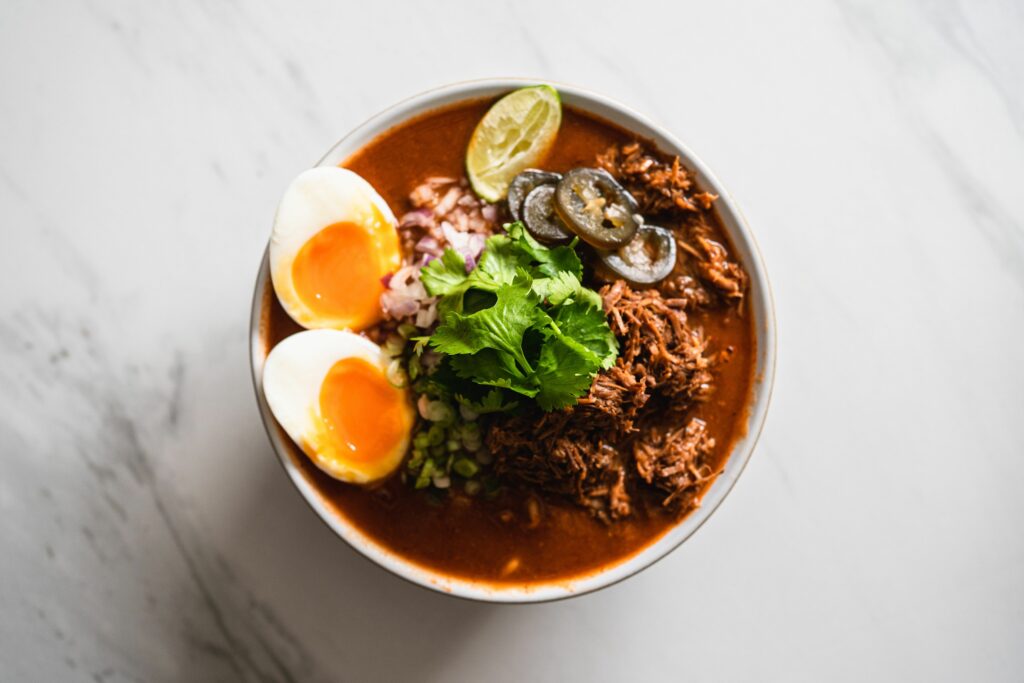
What happens when two comfort icons fuse across cultures? Birria ramen brings together traditions that already travel well. Birria delivers slow-cooked beef and a chile-spiced consommé built for warmth and depth. Ramen contributes chew, ritual, and a noodle format that has evolved across regions for decades. Broth does the work here. Flavor carries across borders.
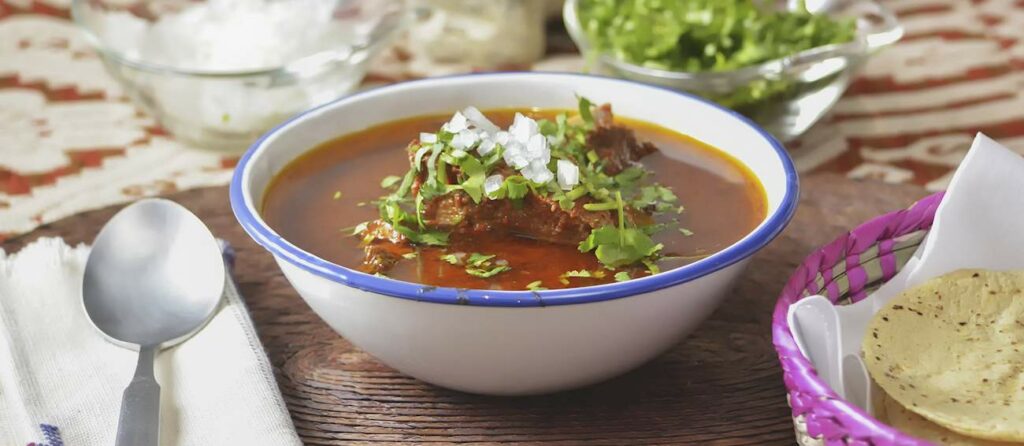
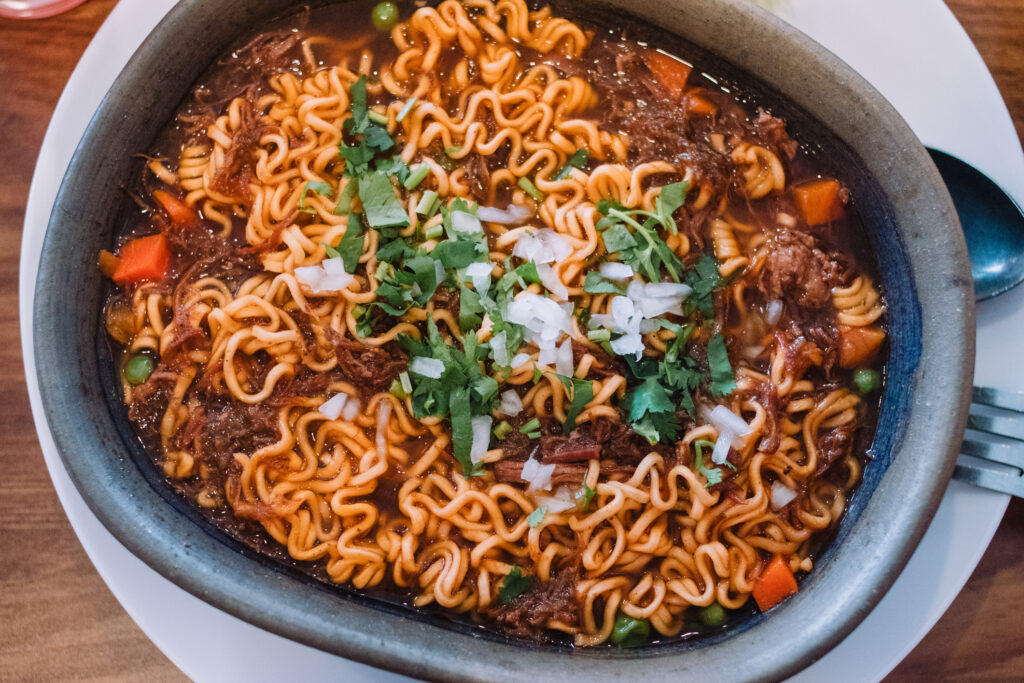
This pairing reflects a wider pattern in global food culture. Traditional dishes now adapt for new audiences without losing their roots. Global food platform TasteAtlas traces birria back to Mexico while documenting how modern interpretations continue to spread beyond place of origin
Food52’s birria ramen recipe captures that balance clearly. Ramen noodles soak up the spiced consommé. Shredded beef adds richness and texture throughout the bowl. Each bite invites a slower pace. The experience rewards attention. That kind of depth resonates globally. Broth-forward dishes and slow-cooked flavors gain traction across markets, especially during cooler seasons. Diners look for meals that feel grounding and indulgent. Birria ramen delivers both, one bowl at a time.
From social feeds to restaurant menus
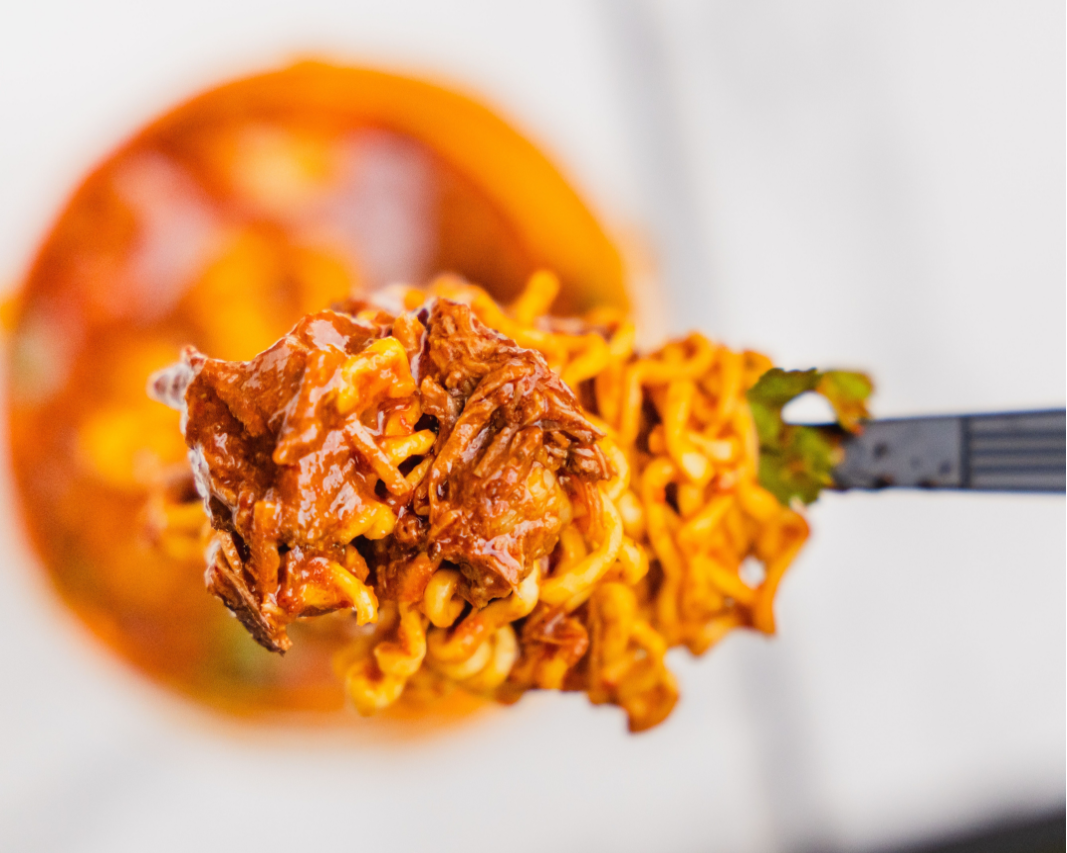
Why did birria ramen move so quickly from screens to tables? Social platforms accelerated the shift. Short-form video rewards texture and motion. Steam rises. Red broth glistens. Noodles lift and fall. A widely shared TikTok from creator Samseats shows how a single bowl travels across borders in seconds, driven by visual crave and cultural curiosity.
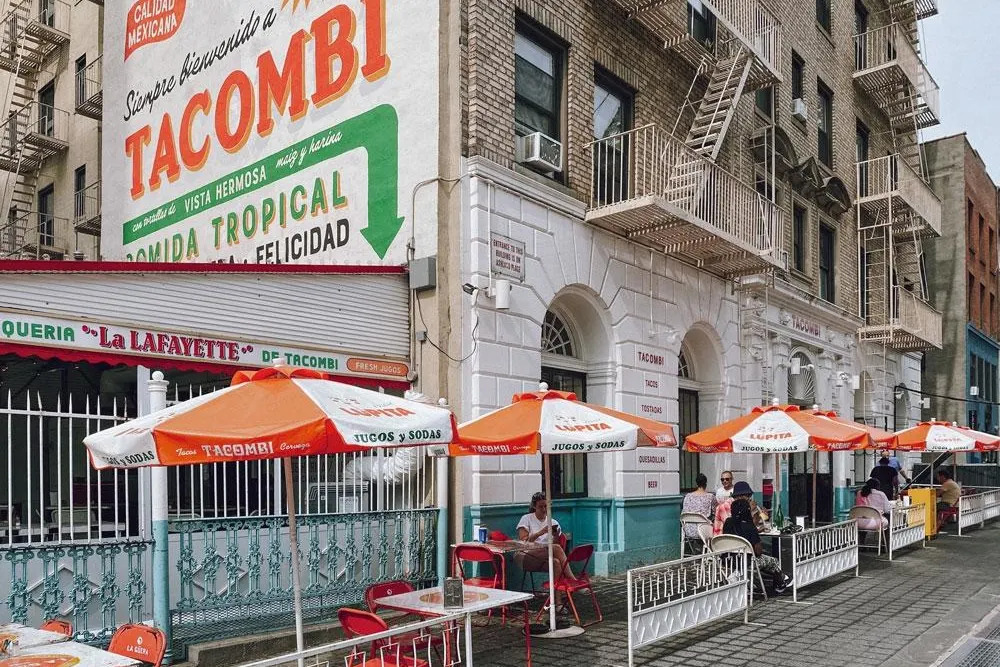
That attention now shapes menus. Birria gained traction first through taco formats in fast-casual and chain settings, including appearances at Del Taco. Ramen followed as the next natural canvas. In early 2025, Forbes highlighted Tacombi’s launch of birria ramen across New York City locations, signaling growing commercial confidence in the mashup.
Beyond North America, global food culture shows strong readiness for this kind of crossover. Around the world, ramen adapts easily to local tastes. Cooks rework noodle bowls using regional ingredients and global flavor influences, a pattern documented in coverage of ramen’s evolution across cultures.
At the same time, Mexican-Asian fusion continues to shape contemporary menus, blending bold chiles and spices with Asian comfort formats, a pattern widely covered in global food media. Culinary storytelling also frames birria ramen as a thoughtful fusion of Mexican and Japanese traditions, rooted in cultural exchange rather than novelty alone.
By 2026, that progression feels familiar across major food cities. Digital discovery sparks demand. Menus respond. Regional creativity carries new comfort formats forward. Birria ramen continues to move through that cycle, supported by adaptability, visibility, and a shared global appetite for depth and warmth.
A global signal for comfort food
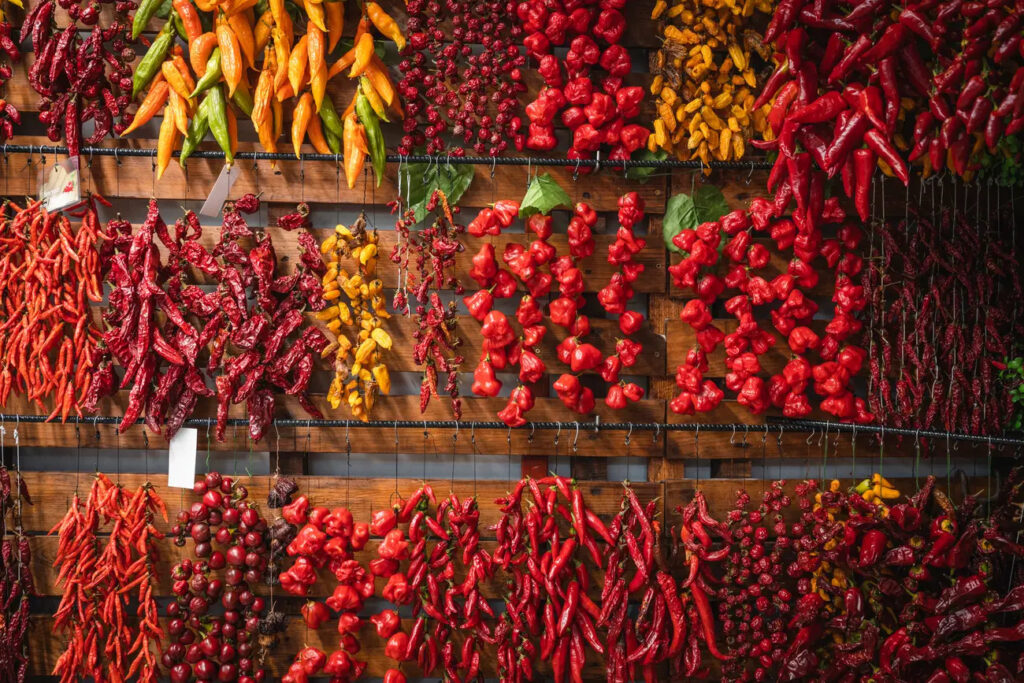
That pattern now shows up in the data. In its November “What’s Hot” report, the National Restaurant Association described birria as a social media darling and pointed to continued growth through creative menu applications. Broader trend reporting supports that view. Business Insider links birria ramen to a global rise in mashups shaped by bold spice, swicy flavor profiles, and comfort foods built for emotional satisfaction.
This direction builds on earlier Symrise insights. In 2025, Symrise highlighted the global rise of Japanese-Italian fusion, showing how diners embrace mashups that feel intuitive and grounded in comfort. Birria ramen fits that pattern. Heritage flavors lead. Modern formats expand reach. Comfort food continues to evolve through familiarity, depth, and global adaptability.