
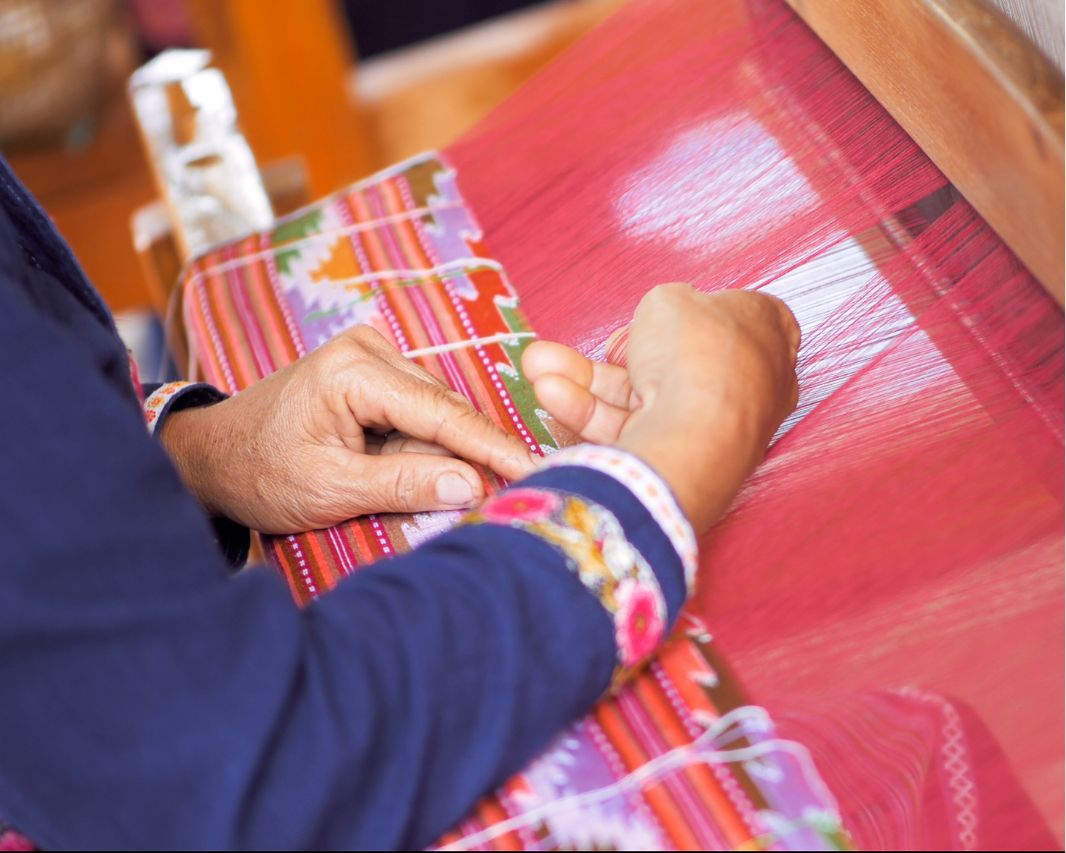
A cord-marked pottery fragment recently added a surprising chapter to the human story of Northeast India. Discovered near Nagaland’s Noklak district, the ancient find suggests that people inhabited the region thousands of years earlier than previously thought. Today, in the misty hills of Nagaland, another chapter unfolds: one woven into fabrics, threaded through beads, and passed from generation to generation.
Here, artisans transform traditional patterns and techniques into contemporary designs. Their creations tell stories of identity, belonging, and creativity, offering a fresh perspective on what we wear and value. As interest in meaningful, thoughtfully crafted products grows, Nagaland’s handloom and beadwork traditions reveal how heritage can inspire modern lifestyles. Every thread and bead carries a connection to the people and places behind it.
The threads of change: Nagaland’s handloom revival
Nagaland’s handloom traditions combine distinctive tribal patterns, skilled manual weaving, and techniques passed down through generations. Slight variations in texture, color, and pattern reveal the individual touch of each maker. Today, local artisans reinterpret this heritage through contemporary clothing and accessories, connecting cultural identity with modern design.
Look at Heirloom Naga for instance. When Jesmina Zeliang started her venture in 1993, she worked with a single weaver in her backyard. Today, her initiative connects nearly 500 women artisans and craft communities across Northeast India. Her son, creative director Aku Zeliang, now introduces their work to international audiences, including Milan Design Week. What began locally has gained global recognition while staying rooted in its origins.
KINTEM tells a similar story from a different angle. Founded in 2023 by Moala Longchar, the label builds on a weaving initiative established by her mother in the 1990s. Its name means “communities” in the Ao Naga dialect, reflecting its collaborative spirit. The FORME ’26 collection reimagines traditional shawls and mekhalas as minimalist, made-to-order garments woven from cotton, modal, and bamboo yarns.
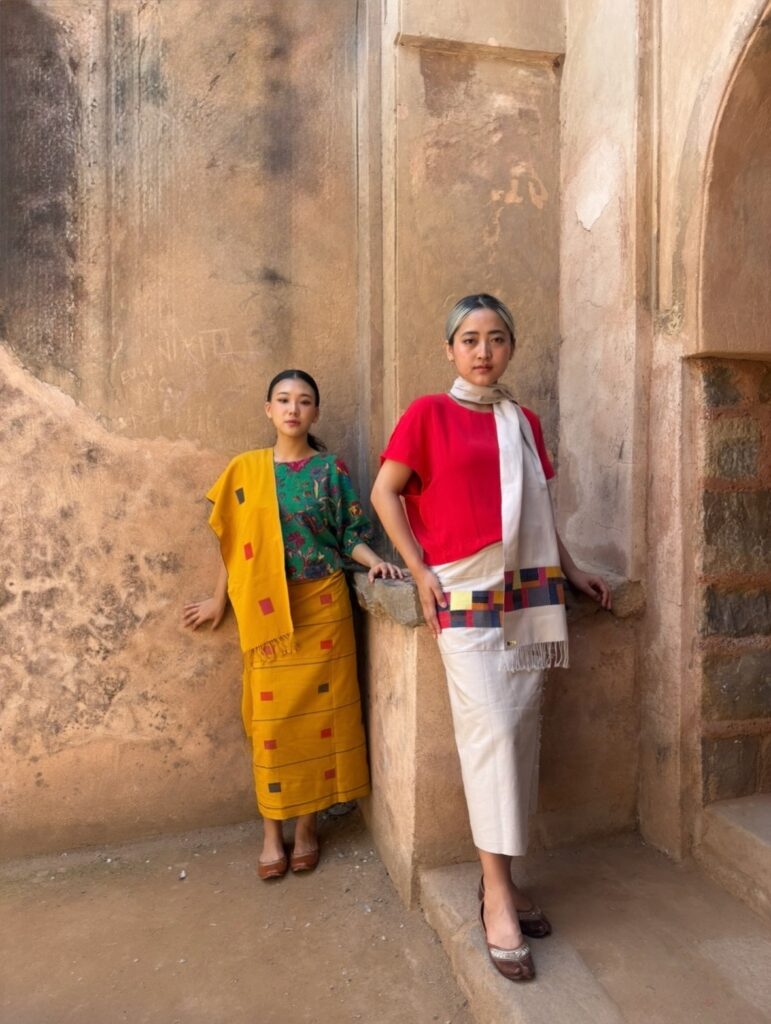
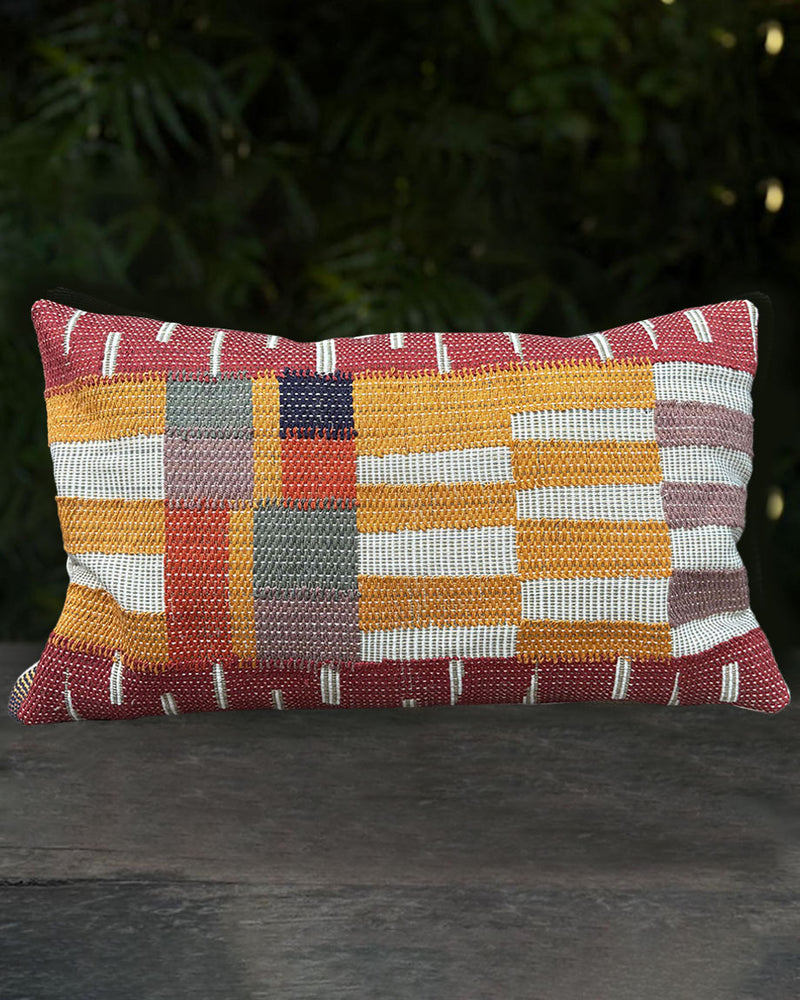
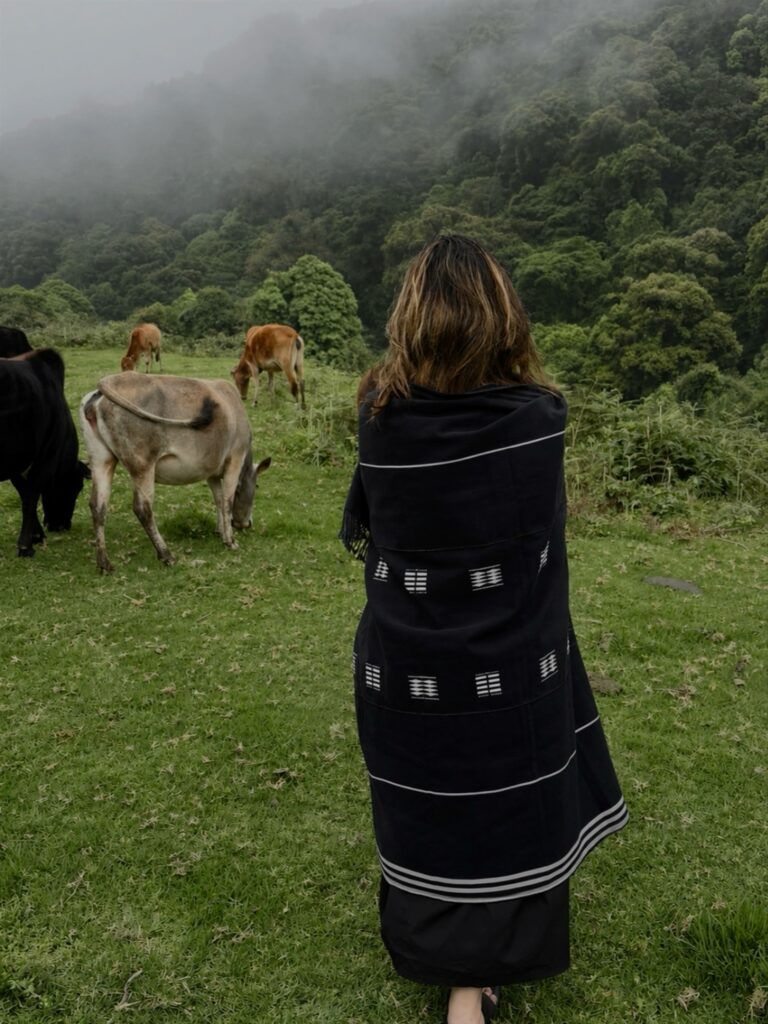
Such initiatives reflect a wider shift in fashion: the story behind an object increasingly adds to its appeal. Who made it? Which traditions shaped its design? These questions encourage people to look beyond appearances and appreciate the knowledge behind each piece.
Preserving that knowledge also requires space for exchange. Ahead of National Handloom Day in August 2026, a community workspace opened in Dimapur, bringing weavers together to collaborate and share skills. Meanwhile, Otsu Clothing Company translates traditional motifs into urban fashion, Woven Threads supports women’s creativity, and Runway Nagaland showcases regional design. Together, they show how traditions thrive when people give them room to evolve.
Beaded brilliance
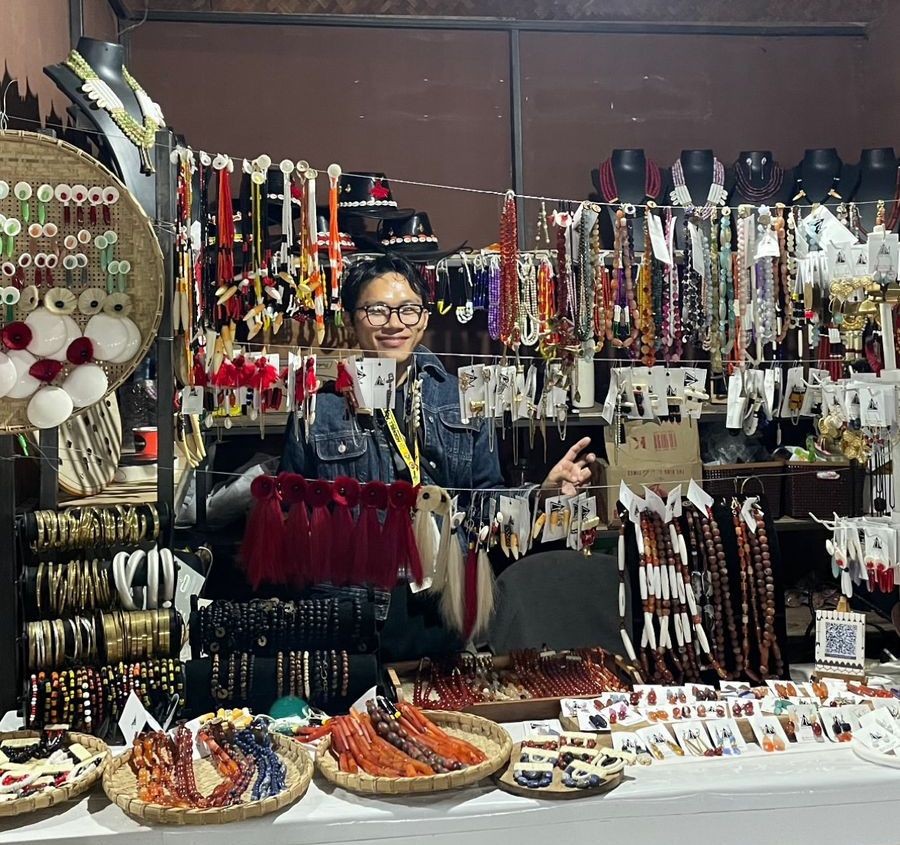
If woven fabrics tell stories through patterns and textures, Nagaland’s beadwork adds color, symbolism, and personal expression. Traditionally associated with identity and community, beads now find new life in contemporary jewelry. A necklace becomes more than an accessory when its design reveals something about the culture and hands behind it.
That connection came alive at Flower Moon, an exhibition in May featuring Hues of Hills. Textiles, floral installations, indigenous foods, and beaded jewelry created a multisensory experience, inviting visitors to discover how local traditions connect across different forms of creativity.
Zaben Murry Design offers another perspective. Founded in 2017, the label combines traditional Naga beads with materials such as brass-wrapped elements to create distinctive accessories. Through workshops, exhibitions, and regional pop-ups, it also invites people to discover the skills behind the designs.
These encounters reveal why handmade objects can hold lasting value. Understanding their origins deepens our appreciation of the time, imagination, and expertise they embody. It also broadens our perspective on sustainability: beyond materials, supporting artisans and passing on skills help sustain local economies and living traditions.
Where tradition inspires innovation
Nagaland’s workshops and creative communities offer travelers more than beautiful souvenirs. A handwoven shawl or beaded necklace can become a lasting connection to the people and stories behind it. Such encounters encourage curiosity, cultural appreciation, and more thoughtful choices.
This connection between heritage and creativity resonates across industries. Whether designing textiles, developing fragrances, or exploring new ingredients, understanding local cultures and sensory preferences can inspire fresh ideas.
At Symrise, local insights and creative collaboration help shape innovation. The company’s expanded Scent & Care Creative and Commercial Center in Mumbai, announced in late 2025, brings together expertise in fragrance, oral care, aroma specialties, and cosmetic ingredients. By connecting regional perspectives with global capabilities, Symrise creates opportunities to translate cultural understanding into solutions that resonate with consumers.
Nagaland’s artisans offer a compelling reminder: sometimes, innovation starts with something familiar. It grows from looking at familiar traditions with fresh eyes and recognizing the extraordinary possibilities in skills passed down through generations.


